


Morocco: A Journey That Changes with the Seasons
Even with the same itinerary, your experience in Morocco varies greatly depending on the season. Beyond just temperature, the shifting daylight hours affect your travel pace, rest time, and evening comfort. Here, Sahara Breeze Travel introduces the “daily flow” of a Moroccan journey based on the unique feel of each season.
1. Spring 【Late February – Early May】
The Season of Comfort and Gentle Moments
Morning:
Wake up to crisp, cool air and the soothing melody of birdsong.
The sunlight is soft, making the colors of the scenery appear vibrant and bright.
Breakfast on a rooftop or in a courtyard creates an exciting start to your day.
Note: In early spring, sunrise in the desert can still be quite chilly.
Daytime:
The weather is pleasant, allowing you to travel without exhausting your energy.
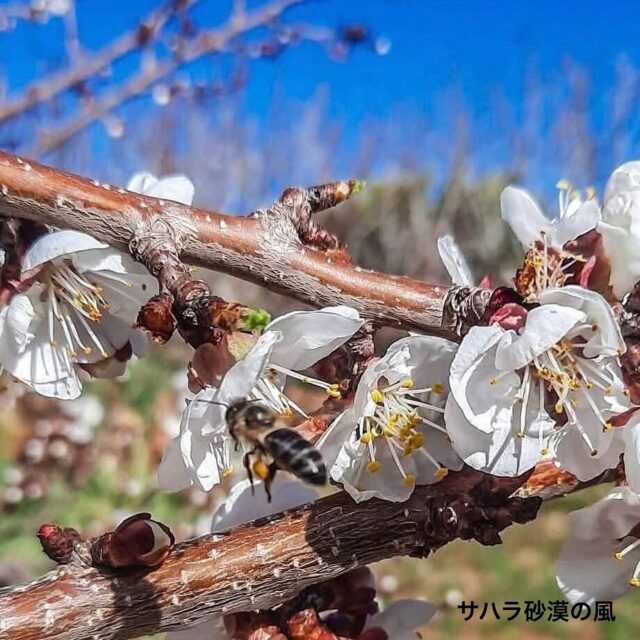
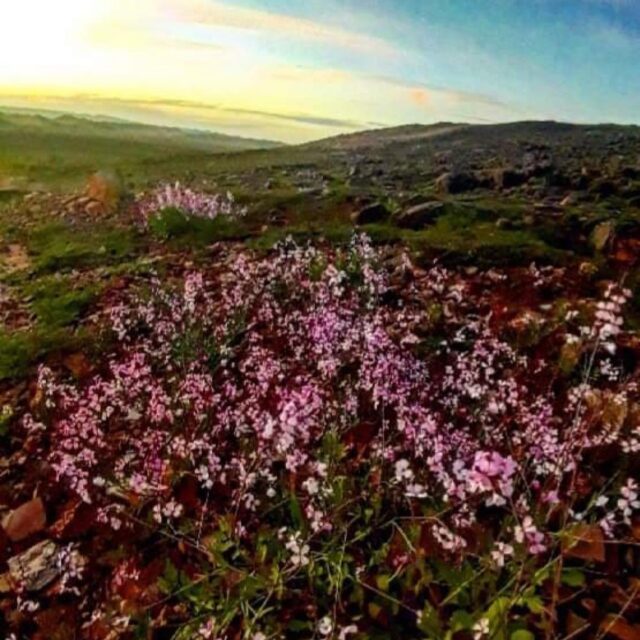
From late February, tiny, lovely wildflowers begin to dot the roadsides. Capturing photos of these unique plants feels like creating your own botanical encyclopedia.
With a private car tour, there’s no need to rush; you’ll have the freedom to stop and take photos whenever you like.
Night:
The temperature is perfect—neither too cold nor too hot.
At your lodging or in the desert, you’ll find yourself wanting to gaze at the night sky forever.
Summary:
Spring in Morocco offers the perfect balance of travel, rest, and stay, allowing you to fully enjoy the “blank spaces” and relaxed pace of your journey.
2. Summer 【July – Early September】
The Season Shaped by Heat and Strategic Rest
Morning:
The morning air still holds a touch of coolness.
As you step outside, you can feel the sand and earth already beginning to hold heat, a physical sign that “it’s going to be a hot day.”
Daytime:
The sun is intense; spending long hours outdoors during the day can quickly drain your strength.
Your experience—whether it feels “easier than expected” or “honestly tough”—depends entirely on your travel schedule and where you choose to rest.
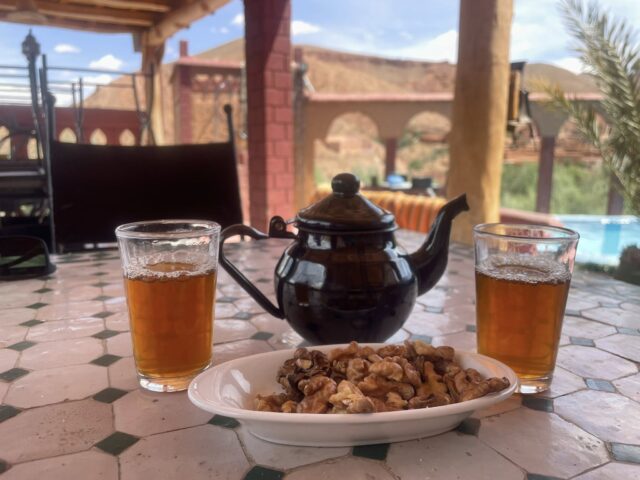
The shade is surprisingly comfortable compared to the actual temperature. A break with mint tea or fresh juice provides a truly refreshing moment.
Night:
For many travelers, the days feel incredibly long. As the midday heat fades, the time to go out and explore returns.
However, indoors can sometimes feel stuffy and difficult to sleep in.
The strong sun can be more draining than you realize; long drives may occasionally lead to a heat-related headache.
Summary:
This is a season where your physical comfort changes significantly depending on how you structure your daily flow and how effectively you rest.
3. Autumn 【Late September – November】
The Season of Deep Desert Magic and Lasting Impressions
Morning:
The morning air is crystal clear and refreshing, with beautiful light contrasts.
Quiet morning hours and breakfast in the courtyard provide a peaceful start to the day.
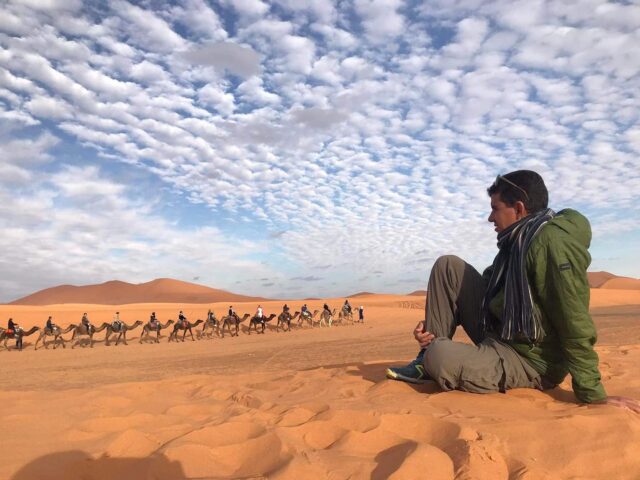
Shortly after breakfast, the sand dunes begin to glow in bright orange as their contours become sharply defined.

Daytime:
While daytime temperatures remain high, it is much more comfortable than summer.
During the drive, you’ll see oasis trees glistening in the sun and stalls of seasonal fruits that will tempt you to stop for a snack.
Evening:
As the sun dips lower, the wind calms, making outdoor time exceptionally pleasant.
This is the time of day when the feeling of “I am truly in the desert” is strongest.
In November, the sun sets earlier, making the shift from daylight to twilight particularly breathtaking.
Night:
The air is so clear you will be amazed by the density and number of stars.
The desert feels wrapped in an even deeper, more profound silence than usual.
Summary:
Autumn is the best season to purely experience the desert’s light, silence, and starry skies—both physically and emotionally.
4. Winter 【December – January】
The Season of Sharp Silence and Striking Cold
Morning:
A bracingly cold, crisp morning.
It takes a bit of courage to get out of bed, but the fresh air outside clears your mind instantly.
Daytime:
With the sun out, it often feels milder than expected.
Inside the car, the warmth and gentle sunlight might even lure you into a nap.
However, the wind against your face while walking is unmistakably mid-winter. You’ll be glad you dressed warmly.
Night:
The sun sets early, and temperatures drop rapidly. The nights are genuinely cold.
he stars and the deep silence will leave a lasting impression on your heart.
The glow of lanterns seen here and there shines beautifully in the stillness.
Taking a late-night shower can feel very cold. To stay comfortable, we recommend arriving at your lodging with time to spare and showering before sunset.
Special Note:
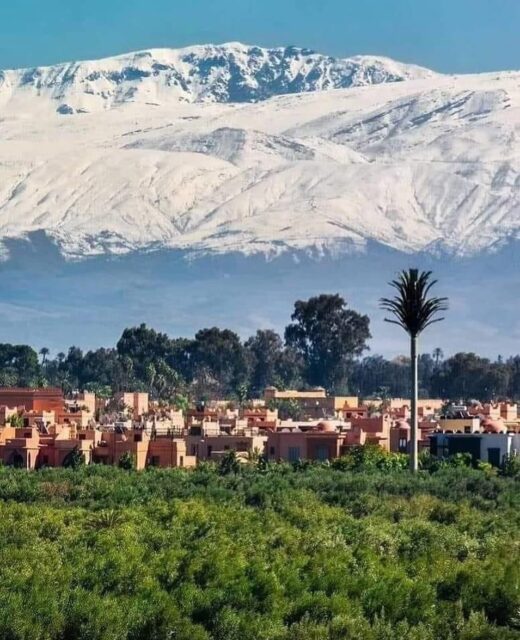
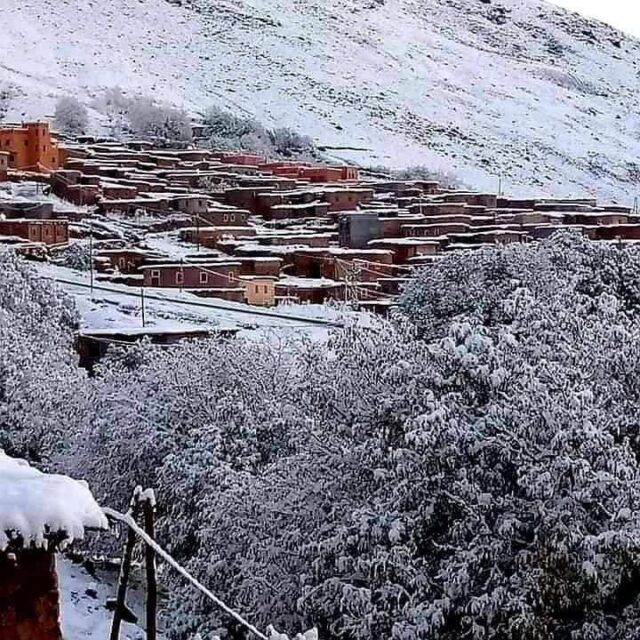
Depending on the year, heavy snow may fall in the Atlas Mountains from November, bringing an early winter to mountain passes.
As snow can occasionally disrupt travel plans, it’s important to build flexibility into your itinerary during this period.
Summary:
While winter in Morocco leaves a powerful impression of silence and stars, your comfort level depends heavily on how you prepare for the cold evenings.
Closing Thoughts
Even at the same destination and for the same number of days, your perception of the journey changes with the seasons. At Sahara Breeze Travel, we believe that considering “when and how” you spend your time is the key to a truly deep and meaningful Moroccan experience.